Would someone who knows your shop recognise your website?
A recommendation can start at a shop counter and end on a phone. Familiar details help a customer join the two.
Follow the name people pass on
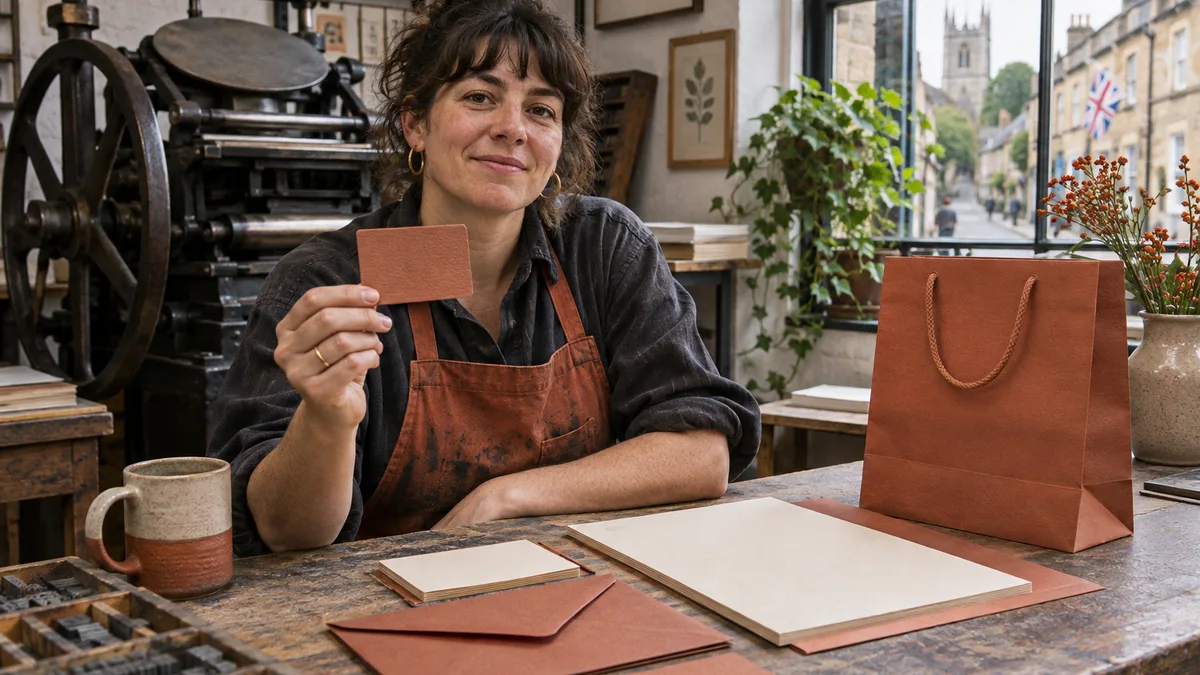
Imagine a customer leaving your shop with a paper bag and later looking you up to send a friend the link. What name will they type? A shop sign might use the family name while the website leads with the full registered company name. Both can be accurate, yet a first-time visitor may still wonder whether they have found the right place.
Lay the things customers see beside one another. A bag, a business card, a screenshot of your social profile and the first screen of your website make a good set. Ask someone familiar with the shop which details they recognised first.
Bring something from the premises into the brief
It could be the lettering on the window, the colour of the packaging or the way you describe a particular service at the counter. Pick a detail customers already associate with you and show it to the person designing the site. A photograph of your actual entrance can do two jobs here. It makes the website familiar and helps a visitor spot the door.
If the business has changed its name or moved premises, explain the connection in everyday language. An existing customer following an old recommendation needs a simple answer to ‘Is this still the same business?’
Use the words a regular would use
Listen to how a customer asks for something they have bought before. In a print shop they might ask for another box of the thick cream cards they bought for their wedding. If the website calls everything bespoke print solutions, the customer has to translate their own request before they can find an example to send to a friend.
Give your designer a few of those ordinary phrases alongside the formal product names. A description can mention the weight and finish of the card and still call it a wedding invitation. Read it aloud and imagine saying it to someone standing at the counter. If you would immediately explain a term in person, the reader probably deserves the same explanation.
Check the page a friend would actually share
The first page someone sees may be a link to a particular product sent in a message. Open that link on a phone without going through the homepage. Is there enough in view to tell whose work this is and where the shop is? A beautiful close-up of the paper tells one part of the story. The shop name and town tell a prospective visitor whether they can call in.
For a refresh, pick one thing customers should still recognise when the new site goes live. It might be the painted name above the door, even if the colours elsewhere are changing. Agreeing that detail at the start gives you a concrete way to judge the first design when it arrives.
Bring those examples to Gloss when you discuss a new website or a refresh.
Explore Gloss services →